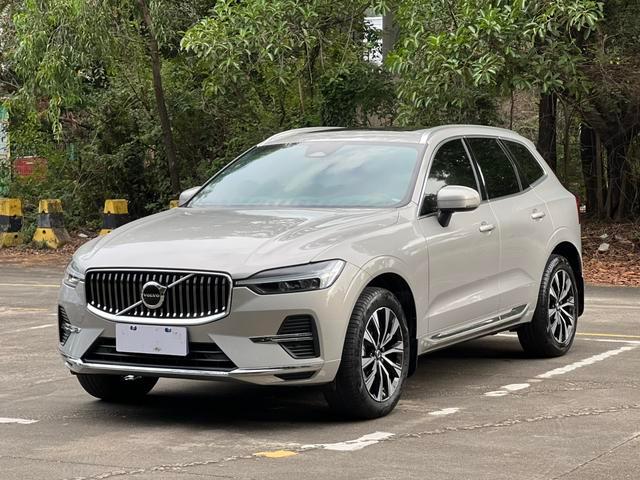
Ro-Ro vs container, document chain, GCC and EAEU specs, EV battery declarations, port-of-destination handover — everything that happens after you sign the contract.
You've signed the contract and paid the deposit. The car is inspected, the documents are stamped, the deposit is wired. Now what? This guide walks through the chain of events from "the car is yours" to "the keys are in your hand at destination."
Stage 1 — Pre-shipment preparation (5–10 days)
Vehicle is moved from the seller's yard to our partner forwarder in Tianjin / Shanghai / Shenzhen / Guangzhou (depending on origin). We drain fuel to 1/4 tank (regulatory), disconnect the 12V battery, and tape padding around mirrors and corners.
For EVs, the lithium battery is checked to be at 30–50% state of charge for safe sea transport, and we file the UN 38.3 + IMO Class 9 declaration with the carrier.
Stage 2 — Choosing the container or vessel
- Container 20': 1 small sedan only. Rarely used.
- Container 40': 2 sedans or 1 SUV + 1 small car.
- Container 40HC (High Cube): 3–4 sedans or 3 SUVs with proper lashing. Our default.
- Ro-Ro: drive-on/drive-off vessel. Cheaper per unit (typically 30–40% less than container) but vehicles ride on open decks. Best for fleets of similar low-value units.
Stage 3 — Loading and lashing
At the port, the loading team: 1. Aligns the vehicles inside the container at 5–7° to fit body curves 2. Wedges wooden chocks under all four wheels 3. Applies ratchet straps to factory tie-down points, tested to 5,000 daN 4. Photographs every angle for our records 5. Seals the container with a high-security one-way bolt seal
The seal number goes onto the Bill of Lading. Any tampering en route would be obvious.
Stage 4 — Document chain
Documents you must receive before the vessel arrives at destination:
- Commercial Invoice — signed and stamped by us
- Packing List — with VIN, engine number, photos, dimensions
- Bill of Lading (B/L) — original couriered to you, copies emailed
- Certificate of Origin (Form A or Form E depending on FTA)
- CCIC inspection certificate
- Export licence from MOFCOM (where required)
- EV battery declaration UN 38.3 + Class 9 IMO papers (for EVs)
- Insurance certificate (if CIF)
Stage 5 — In transit
Typical voyage times from Chinese ports:
• Tianjin → Vladivostok: 7 days • Tianjin → Almaty (rail via Khorgos): 18 days • Tianjin → Klaipeda: 35 days • Shanghai → Dubai Jebel Ali: 22 days • Guangzhou → Mombasa: 28 days • Shenzhen → Antofagasta Chile: 38 days
We send you the vessel name and tracking link so you can follow the ship in real time on MarineTraffic.
Stage 6 — Destination customs
Two to seven days before the vessel arrives, you (or your appointed clearing agent) lodge the customs declaration at the destination port using the documents we provided. The customs broker:
1. Calculates duty + VAT based on the commercial invoice value 2. Pays applicable duties from your funds 3. Books a customs inspection appointment 4. Releases the container or vehicle for collection
This stage is where 90% of buyer-side delays happen. We strongly recommend a vetted clearing agent — we can introduce one in 12 major destination ports.
Stage 7 — Final delivery and handover
The container is trucked from the port to your premises (or to your customer). The seals are cut, the vehicle is rolled out, and our documentation pack is handed over: the inspection report, owner's manual (in original Chinese — we provide an English translation summary), spare key, and 1-year warranty card.
We ask for a delivery confirmation form to close the file — usually arrives back via WhatsApp within a few days.
Common pitfalls
- Battery declaration filed late causes a missed sailing slot — we file at booking, not at cutoff
- Original B/L lost in courier transit — always use a tracked courier (DHL or FedEx); never general post
- Customs duty under-declaration on your side — Chinese customs and your country's customs share value databases, mismatches trigger investigations
- Demurrage / detention charges at destination if you don't clear within free time (usually 5–7 days)
Conclusion
A well-orchestrated shipment takes 5–10 days to prepare, 7–38 days in transit, and 2–7 days to clear at destination. Total door-to-door is typically 25–60 days. Every step has documentation, photos and a contact person. There should never be a "where is my car?" moment.