Auction lots, CCIC inspection, paint depth meters, battery SOH checks — our procurement playbook for buyers who can't fly to China for every deal.
You're ready to buy a used car from China, but you can't fly to a Tianjin auction every week. How do you make sure the car you pay for is the car that arrives at your port? This is the procurement playbook we follow on every order.
Step 1 — Source from regulated venues
We only buy from three channel types: licensed Chinese used-car dealers, OEM trade-in programs (e.g. BYD's authorised resellers), and open auctions run by recognised platforms like Tianjin Toudai or YOUXIN. Avoid grey-market vendors and so-called "internal channels" — these accounted for 87% of fraud cases reported to us by new buyers in 2024.
Step 2 — Pre-purchase documentation check
Before any deposit goes out, we verify:
- VIN against MIIT's vehicle registry (every Chinese car has a public record)
- Engine and chassis number physically matching the documents
- Service history via the OEM's connected-car app or paper service book
- Insurance claim history from PICC / Ping An databases
- Whether the car was registered as a taxi, ride-hail, or government vehicle (different wear profiles)
Step 3 — CCIC third-party inspection
After deposit and before final payment, CCIC sends an inspector. They produce a 30+ photo report covering identity, exterior, interior, mechanical, undercarriage, road test and (for EVs) battery SoH via OBD. The CCIC report is the protection clause in your contract — if reality differs from report, you have legal recourse.
Step 4 — Paint depth and structural integrity
Paint depth meter readings should fall in 90–160 micrometers for factory paint. Anything above 250 indicates a respray (often hiding accident repair). Welded body panel joints should look factory-original — wavy weld beads or non-symmetrical drain holes hint at major collision repair.
Step 5 — EV battery and charging system
For EVs/PHEVs, the BMS reports State of Health via OBD-II. We require ≥ 80% SoH at delivery and ≥ 75% threshold for warranty coverage during the year. We also test all charging ports (Type 2, GB/T, CCS-2 depending on market) under load.
Step 6 — Mileage cross-check
Odometer rollback exists, but it leaves traces. We cross-check the dashboard reading against:
- Service stickers under the hood
- Last insurance claim mileage entry
- OEM connected-car telematics where available
- Tyre tread depth (factory tyres should show consistent wear with the claimed mileage)
Step 7 — Test drive and final acceptance
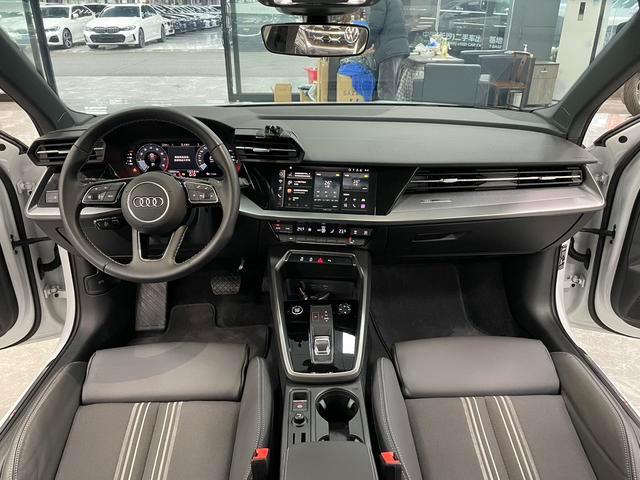
When venue permits, our inspector runs a 5–10 km road test: cold start, idle stability, acceleration through full RPM range, brake bias, steering centring, transmission shift quality, and any error lights. The dashboard photo at engine-off is included in the report.
Red flags that cancel a deal
We walk away if we see: VIN mismatch on any component, flood evidence (corrosion in unusual places, water staining under seats), structural welds beyond factory locations, undisclosed prior commercial use, battery SoH < 80%, or insurance claims showing major structural repair.
Conclusion
Authentic procurement in China is a process, not a transaction. Following this 7-step playbook brings the failure rate of our shipments down to under 1%. The cars arriving at destination are exactly the cars our customers paid for.